Good Story: A Handwritten Font for Makers
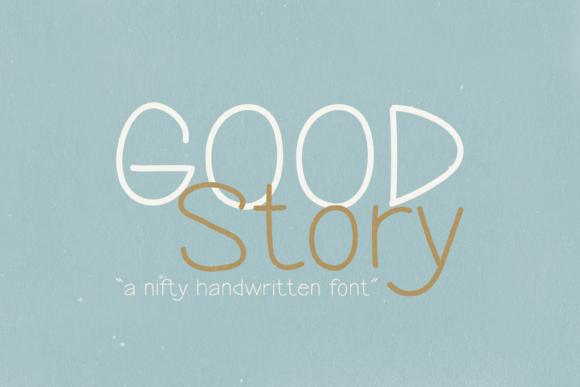
The smell of melted soy wax and essential oils filled my small studio as I stared at the blank label template on my screen. I had just poured a new batch of lavender and vanilla candles, and while the scent was perfect, the branding felt incomplete. I needed something that didn’t just look professional but felt personal—like a note written by hand from one friend to another. That is when I discovered Good Story, a cute and whimsical handwritten font that instantly transformed my design process.
As a crafter and handmade seller, I am constantly searching for design assets that bridge the gap between digital precision and human touch. Most script fonts feel too rigid or overly polished, losing the authentic charm that customers crave in boutique items. Good Story, however, captures that elusive realistic feel. It looks like genuine chalkboard writing or a quick scribble in a journal, adding a layer of warmth and personality that sterile typefaces simply cannot match. Whether you are creating teaching materials, chalkboard quotes, or product labels, this typeface brings an immediate sense of approachability and creativity to your work.
Bringing Authenticity to Product Labels and Packaging
One of the most challenging aspects of running a small shop is making mass-produced items feel unique. When I applied Good Story to my candle labels, the difference was night and day. The font’s irregular strokes and natural spacing mimicked the imperfections of real handwriting, which aligned perfectly with the handmade nature of my products. It wasn’t just about aesthetics; it was about brand identity. Customers often buy from small businesses because they want a connection to the maker. Using a premium font like Good Story helps convey that personal touch before the customer even unwraps the package.
Beyond candles, I have found this font incredibly versatile for various packaging needs. It works beautifully on kraft paper tags for jewelry, stickers for soap bars, and thank-you cards included in shipment boxes. The whimsical style adds a playful yet sophisticated element that elevates the perceived quality of the item. For seasonal products, such as holiday gift tags or summer tote bags, the font adapts effortlessly. It feels cozy for winter designs and light-hearted for spring collections, making it a reliable staple in my library of commercial fonts.
Designing Invitations and Stationery with Character
Wedding invitations and greeting cards require a delicate balance between elegance and readability. Good Story shines in this arena, particularly for couples seeking a rustic, bohemian, or informal vibe for their special day. I recently used it to design a set of birthday invitations for a friend’s daughter. The font’s playful energy matched the theme perfectly, turning a simple digital file into a cherished keepsake. Because it is a Script Handwritten typeface, it avoids the stiffness of traditional serif fonts while maintaining enough structure to remain legible.
For printable wall art and planner pages, the font offers a fresh alternative to standard typography. I have created several downloadable prints featuring inspirational quotes, where Good Story serves as the focal point. Its chalkboard-like appearance makes it ideal for educational materials or classroom decor, giving teachers and parents a tool to create engaging, visually appealing resources. When designing for digital downloads, it is crucial to choose a font that renders well on screens and prints clearly on home printers. Good Story meets both criteria, ensuring that your customers receive a high-quality product regardless of how they access it.
Practical Tips for Readability and Font Pairing
While the charm of a handwritten font is undeniable, usability is paramount. When using Good Story for product labels or small stickers, size matters. I recommend testing your designs at actual print size to ensure the letters do not blend together. For cutting machines like Cricut or Silhouette, this font performs well, but complex ligatures may require careful weeding. Simplifying the design by using shorter phrases or single words often yields the best results for vinyl decals and iron-on transfers.
Pairing Good Story with complementary typefaces can enhance its impact. Since it is a display font with strong personality, it pairs best with clean, neutral partners. A simple sans serif font works wonders for body text or secondary information, providing a modern contrast that keeps the design grounded. Alternatively, a lightweight serif font can add a touch of classic elegance if you are aiming for a more vintage aesthetic. The key is to let Good Story take center stage for titles, names, and decorative wording, while using simpler fonts for detailed descriptions or instructions.
Maximizing Value for Creative Entrepreneurs
Investing in the right design assets is crucial for building a consistent brand image. Good Story is not just a font; it is a tool for storytelling. It allows makers to infuse their products with emotion and character, helping them stand out in a crowded marketplace. Whether you are designing social media graphics, web banners, or physical merchandise like mugs and shirts, this font adds a layer of authenticity that resonates with audiences.
Before incorporating any new typeface into your commercial projects, always review the licensing terms. Good Story is designed for creative professionals, offering the flexibility needed for both personal and commercial use. Check for included styles, alternates, and multilingual support to ensure it meets your specific project requirements. By understanding the technical details and creative potential of your fonts, you can make informed decisions that enhance your product offerings.
In the end, the goal of any handmade business is to connect with people. Good Story facilitates that connection by bringing a human element to digital designs. It reminds us that behind every product, there is a story worth telling. So, the next time you are drafting a label, designing an invitation, or creating a new printable, consider how a whimsical, handwritten touch might change the narrative. It might just be the missing piece that turns a good product into a great story.